
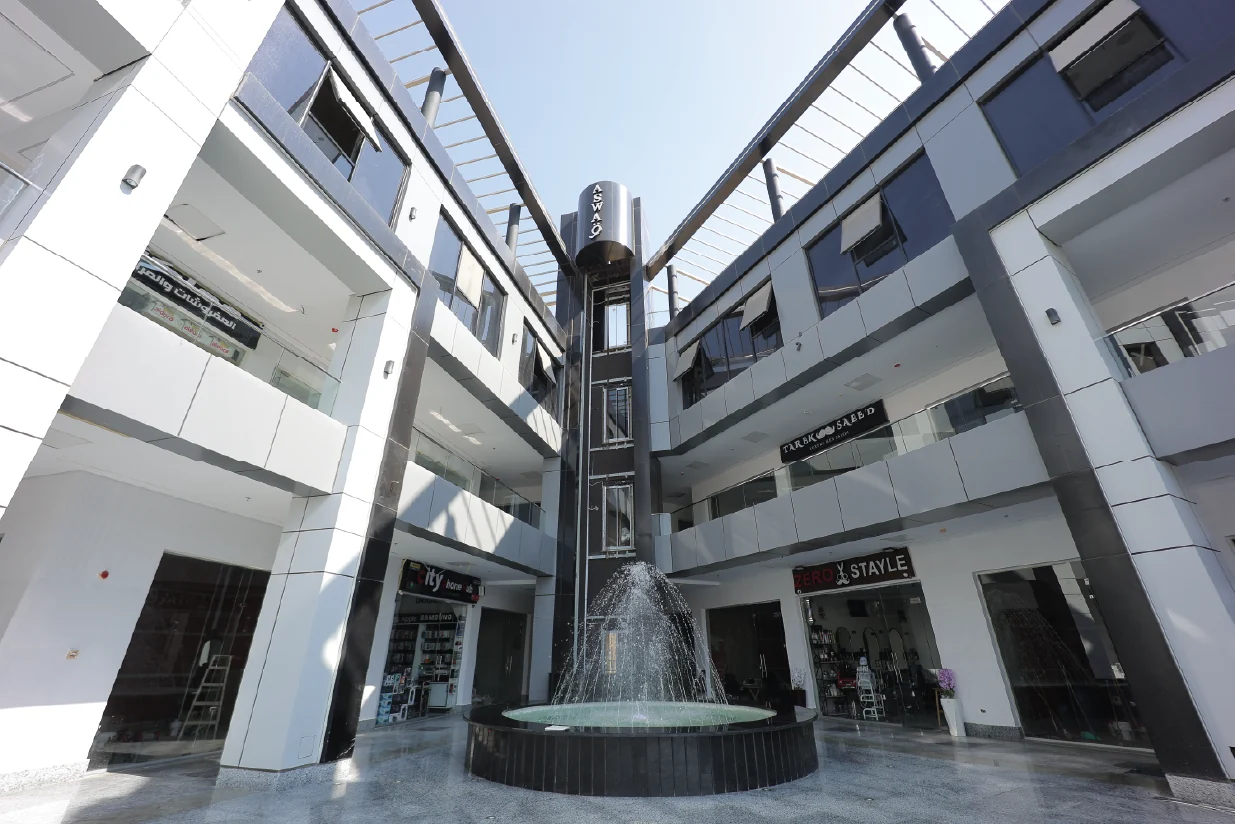
When owners and investors assess a commercial asset, the conversation often begins with location, design and tenant mix. Those factors matter, but after opening day the quality of daily operations also plays an important role in protecting the asset's condition, usefulness and commercial position.
At IPM, we operate commercial destinations day in, day out. This article sets out, in practical terms, how professional mall operations can support asset value over time — and what owners should expect from an operating partner.
Value is defended on the operating floor
A shopping mall is not a static building; it is a destination that must feel ready every day. Cleanliness, lighting, working escalators, clear signage and safe common areas are visible to visitors, while tenants weigh these details when deciding whether to stay, renew or expand.
When daily standards slip, the effect can build over time: a weaker visitor experience, more tenant complaints, slower leasing and, in some cases, pressure on rents. Disciplined daily operations can help reduce these operational risks and protect the conditions that support value.
Tenant relations support income stability
Tenants are both users of the asset and a source of its income. A professional operator gives each tenant an accountable point of contact, clear fit-out and trading rules, and structured follow-up on requests. That stability is intended to support tenant retention and reduce vacancy risk, both of which affect a mall's income.
- One accountable contact for every tenant
- Clear fit-out and trading rules, applied consistently
- Structured follow-up on requests and issues
Preventive maintenance protects the physical asset
Reactive maintenance carries the cost of the repair and the risk of visible decline while a fault remains unresolved. A preventive maintenance programme — planned schedules, supervised contractors and documented work orders — is designed to extend the useful life of systems and finishes, support more predictable operating costs and preserve the physical condition that valuers and buyers typically assess.
Reporting gives owners operational visibility
Owners cannot manage priorities they cannot see. Regular, structured reporting on operations, tenants, maintenance, costs and open issues gives owners and investors a clearer picture of the asset. That visibility supports more informed decisions about where to invest, what to address first and how to plan for the longer term.
What this means for owners in Egypt
In a competitive commercial property market, operating quality is one factor that can differentiate two otherwise similar properties. A well-operated mall is better positioned to maintain its standards, tenant relationships and reputation — all of which can help support value over time.
IPM applies this operating discipline across the destinations it runs for ASWAQ Developments in El Shorouk City — City Hub, Mercado and Arena — where IPM acts as operator on behalf of the developer.
How do mall operations affect property value?
Daily operating quality influences visitor experience, tenant retention, maintenance condition and owner visibility — factors generally associated with income stability and long-term value.
What should an owner expect from a mall operator?
Clear standards, an accountable on-site team, preventive maintenance, structured tenant relations and regular, transparent reporting.
Does IPM operate malls in Egypt?
Yes. IPM operates City Hub, Mercado and Arena in El Shorouk City on behalf of their developer, ASWAQ Developments.