
Property management and facility management are often discussed as if they were interchangeable. In practice, they overlap, but they start from different questions. Property management asks how the asset should operate on the owner's behalf, serve its tenants and provide commercial visibility. Facility management asks how the building, its systems and its support services should be maintained and coordinated day to day.
For owners, developers and investors, the distinction matters because unclear boundaries can create gaps in accountability. A clear operating model identifies who leads tenant communication, who controls maintenance priorities, how vendors are supervised and how operational information reaches the owner.
What is property management?
Property management is the wider owner-facing discipline. The property manager represents the owner's operating interests and turns the asset strategy into a practical operating plan. Depending on the agreed scope, that can include budgets, tenant communication, collection follow-up, vendor coordination, service-charge administration and regular reporting.
Its perspective extends beyond whether equipment works. It considers whether the whole property is ready to trade, whether tenants receive consistent support, whether operating rules are applied and whether the owner has enough information to make decisions. In a commercial property, this may involve coordinating different tenant categories, common areas, access, fit-out activity and visitor-facing standards.
Asset stewardship is central to the role. The property manager does not guarantee financial performance or value growth, but disciplined oversight can help the owner identify risks, set priorities and protect the operating conditions on which commercial performance depends.
What is facility management?
Facility management focuses more closely on the physical environment and the services required to keep it safe, functional and presentable. Its technical scope commonly includes preventive maintenance, work orders, MEP oversight, inspections, contractor supervision and follow-up on corrective work.
The scope may also coordinate cleaning, security, waste handling and other support services where these are included in the owner's agreement. Safety and compliance coordination, records of completed work, service-level monitoring and escalation of recurring faults all help the owner understand the building's technical condition.
Facility management therefore provides an essential operational foundation. It is not separate from the visitor or tenant experience: reliable systems, clean common areas and coordinated support services shape how people use the property every day.
Key differences at a glance
The distinction is best understood as a difference in primary focus, not a rigid boundary. The exact division of work depends on the property, the owner's priorities and the contract. The comparison below describes a common operating arrangement for commercial assets.
| Dimension | Property management | Facility management |
|---|---|---|
| Primary focus | The asset's overall operation on behalf of the owner | The building, systems and support services |
| Owner relationship | Represents operating priorities and consolidates reporting | Reports on technical condition, work and service levels |
| Commercial responsibilities | May cover budgets, collections, service charges and performance visibility | Usually supports budgets through maintenance plans and vendor scopes |
| Tenant-facing responsibilities | Leads routine communication, requests, rules and coordination | Responds to technical and service issues within the agreed process |
| Technical scope | Sets priorities and oversees delivery within the wider plan | Coordinates preventive and corrective maintenance and MEP oversight |
| Reporting | Combines commercial, tenant and operational information for the owner | Documents work orders, faults, inspections and service performance |
| Day-to-day examples | Tenant meetings, operating plans, vendor coordination and owner updates | Inspections, planned maintenance, contractor follow-up and fault escalation |
- Primary focus
- Property management
- The asset's overall operation on behalf of the owner
- Facility management
- The building, systems and support services
- Owner relationship
- Property management
- Represents operating priorities and consolidates reporting
- Facility management
- Reports on technical condition, work and service levels
- Commercial responsibilities
- Property management
- May cover budgets, collections, service charges and performance visibility
- Facility management
- Usually supports budgets through maintenance plans and vendor scopes
- Tenant-facing responsibilities
- Property management
- Leads routine communication, requests, rules and coordination
- Facility management
- Responds to technical and service issues within the agreed process
- Technical scope
- Property management
- Sets priorities and oversees delivery within the wider plan
- Facility management
- Coordinates preventive and corrective maintenance and MEP oversight
- Reporting
- Property management
- Combines commercial, tenant and operational information for the owner
- Facility management
- Documents work orders, faults, inspections and service performance
- Day-to-day examples
- Property management
- Tenant meetings, operating plans, vendor coordination and owner updates
- Facility management
- Inspections, planned maintenance, contractor follow-up and fault escalation
Where the two disciplines overlap
The same daily issue can involve both teams. A recurring air-conditioning complaint, for example, requires technical diagnosis and maintenance follow-up, but it also needs tenant communication, priority setting, budget visibility and a clear update to the owner. Treating it as only a technical ticket can leave the wider relationship unmanaged.
Vendors, maintenance, safety, service quality, operational readiness and reporting all sit in this shared territory. Effective coordination means agreeing who owns the decision, who performs the work, who checks completion and who communicates the outcome.
When does an owner need both?
A small, simple property may combine responsibilities within a compact team. As the number of tenants, public areas, systems and service providers increases, owners often need both a wider property-management view and dedicated facility-management coordination.
Commercial malls and retail destinations are clear examples because technical reliability, tenant trading and visitor experience are interdependent. Mixed-use properties add another layer: offices, retail, leisure or administrative uses may share access, utilities and common services while operating to different schedules and expectations.
The right answer depends on the asset rather than its label. Owners should consider system complexity, footfall, tenant obligations, opening hours, compliance needs, vendor count and the reporting detail required by their investment or governance structure.
Why an integrated model can be useful
Property and facility management can be delivered by separate specialists or through one integrated operating structure. Neither arrangement is automatically right for every asset. What matters is whether responsibilities are explicit and whether information moves reliably between commercial, tenant-facing and technical workstreams.
An integrated model can reduce handoff gaps, create clearer accountability and make it easier to coordinate reporting and operating standards. These are potential operating benefits, not guaranteed outcomes: they still depend on a defined scope, capable people, appropriate systems and active owner governance.
How IPM approaches the relationship
IPM combines property operations with facility and maintenance coordination across commercial destinations. The property-management view establishes owner priorities, tenant communication, operating routines and consolidated reporting. Facility-management coordination supports that plan through inspections, preventive schedules, work orders, contractor supervision and service follow-up.
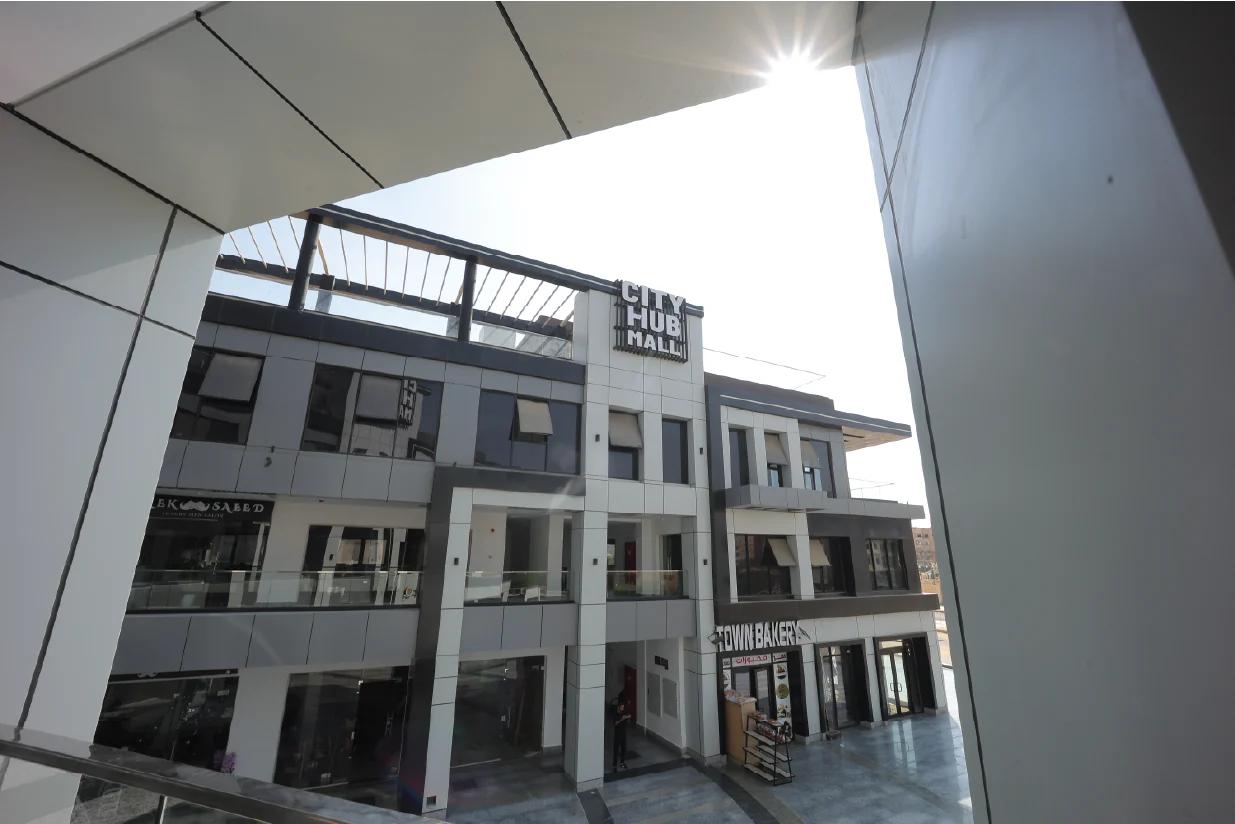
IPM applies this approach while operating City Hub, Mercado and Arena in El Shorouk City on behalf of their developer, ASWAQ Developments. This is confirmed operating experience, not a claim of ownership or development by IPM.
For an owner considering either service, the practical starting point is a scope review: what the asset needs, which responsibilities already sit with internal teams, where accountability is unclear and what information the owner expects to receive. That assessment helps define whether property management, facility management or an integrated scope is appropriate.
Is property management the same as facility management?
No. Property management has a wider owner, tenant and commercial remit, while facility management concentrates on the building, technical systems and support services. The two scopes often overlap.
Does a commercial property need both property and facility management?
Many complex commercial properties benefit from both perspectives, but the appropriate structure depends on the asset's systems, tenants, public areas, service providers and owner requirements.
Who manages tenants: the property manager or facility manager?
The property-management team usually leads the overall tenant relationship. The facility-management team supports technical and service requests through the agreed communication and escalation process.
What does facility management include in a commercial property?
The agreed scope may include preventive maintenance, MEP oversight, inspections, work orders, contractor supervision, and coordination of cleaning, security and other support services.
Can one company provide both property and facility management?
Yes. An integrated provider can coordinate both scopes, provided responsibilities, service standards, reporting lines and owner oversight are clearly defined.