
Commercial property management is the coordinated day-to-day stewardship of a retail, office or mixed-use asset on behalf of its owner or developer. It brings together property operations, tenant relations, service providers, facility management coordination, budgets and owner reporting within one accountable operating structure.
That scope is different from residential rental management, which usually centres on homes, individual occupants and tenancy administration. It is also different from property brokerage or sales, which focus on transactions, and from standalone facility maintenance, which concentrates on the physical building and its technical systems. Commercial property management connects these operational disciplines to the owner's priorities and the needs of tenants and visitors.
For owners, developers and investors comparing commercial property management companies in Egypt, the useful question is not simply whether a provider can maintain a building. It is whether the agreed management scope creates clear accountability for how the whole property operates, how issues are escalated and how the owner stays informed.
What is commercial property management?
Commercial property management translates an owner's objectives into operating standards and a practical annual plan. The manager represents the owner's operating interests, agrees responsibilities and budgets, coordinates on-site activity and holds service providers accountable for their contracted scopes.
The role can include day-to-day supervision, tenant communication, vendor governance, maintenance coordination, expenditure tracking and consolidated reporting. The exact scope varies by asset and contract, but owner visibility should remain central: who is responsible, what has happened, which issues remain open and what decisions are needed.
A commercial property management company does not replace the owner. It provides the operating structure, routines and information through which the owner can oversee the asset with clearer accountability.
The core services commercial property management can include
The exact combination depends on the asset and contract. A commercial management scope commonly brings together the following workstreams.
Daily property operations
The management team coordinates opening and closing readiness where relevant, checks common areas, applies service standards and makes sure operational issues reach the right person. The aim is a property that is consistently ready for tenants, visitors and service teams, with clear escalation when standards are not met.
Tenant relations and coordination
Depending on the contract, this may include onboarding and handover, fit-out coordination, routine requests and complaints, trading rules, deliveries and support for lease or renewal coordination. The property manager normally leads the relationship, records commitments and brings technical or commercial colleagues into the process when required.
Facility and maintenance coordination
Preventive schedules, corrective follow-up, oversight of mechanical, electrical and plumbing systems, inspections and contractor supervision protect the property's working condition. Facility management is a related specialist discipline: it may sit within an integrated management scope or be separately contracted and coordinated by the property manager.
Vendor and contract management
A structured process defines service scopes, coordinates procurement or tenders where included, monitors service levels and reviews renewals and costs. This gives the owner a clearer basis for assessing whether each provider is delivering the agreed work rather than relying on informal follow-up.
Safety and compliance coordination
Management may organise inspections, support fire and life-safety readiness, maintain emergency procedures and follow up permits or regulatory actions where applicable. The responsible specialists and authorities retain their formal roles; property management coordinates the required actions and records rather than providing legal advice.
Financial and performance reporting
The agreed service can cover operating budgets, expenditure tracking, service-charge or collection reporting where applicable, operating indicators and logs of open issues. Regular owner reports should distinguish facts, exceptions and decisions required. Reporting supports control and planning, but it does not guarantee savings or financial performance.
Visitor experience for retail destinations
Retail property management also considers access, cleanliness, parking, wayfinding, service behaviour and the operational coordination of activations or events where relevant. These details shape how the destination functions while the manager balances visitor needs with tenant operations and owner requirements.
Asset stewardship and value protection
The manager monitors maintenance condition, operating standards, tenant stability, recurring risks and the information needed for capital planning. Disciplined stewardship can help protect the conditions that support an asset's use and commercial position; it is not a promise of value appreciation, higher rents, occupancy gains or return on investment.
How the scope differs by asset type
Shopping malls and retail destinations require close coordination of trading hours, tenant fit-outs, deliveries, public areas, parking, wayfinding, facilities and visitor-facing standards. The operating day is shaped by both tenant requirements and customer movement, so property operations and facility services need a shared rhythm.
Mixed-use properties bring different uses into one operating environment. Retail, office, leisure or other components may share access, utilities and contractors while following different schedules. Management must clarify which standards are common, which are specific to each component and how shared costs and incidents are reported.
Office and administrative properties generally place more emphasis on access control, occupant services, meeting day-to-day workplace needs and coordinating technical reliability during business hours. Commercial portfolios add a further governance requirement: comparable reporting, consistent minimum standards and a practical way to escalate issues across several locations.
Commercial property management vs facility management
Property management provides the broader owner, commercial, tenant and accountability layer. Facility management focuses more closely on the building, technical systems, maintenance and support services. The two disciplines overlap in daily operations because a technical issue can also affect tenants, budgets, trading and owner priorities.
They can be delivered through one integrated team or by separate providers. The important point is to define decision rights, handoffs, reporting lines and escalation. A detailed comparison is available in IPM's guide to property management and facility management.
What should an owner expect from a commercial property management company?
A useful proposal should be specific enough for the owner to understand how the property will be run, not merely list broad service categories. Before appointment, owners should test whether the management company can explain responsibilities, routines, evidence and communication in practical terms.
- A clear scope showing what is included, excluded and separately contracted
- Named accountability for the property and each major workstream
- An annual operating plan linked to agreed budgets and priorities
- A defined reporting cadence, format and route for owner decisions
- Documented service standards that teams and vendors can be measured against
- Vendor governance covering scope, performance, renewal and escalation
- A preventive and corrective maintenance plan with recorded follow-up
- A tenant communication process for requests, complaints and commitments
- An escalation process for urgent, recurring or unresolved issues
- Transparent owner visibility on performance, exceptions, costs and open actions
When should an owner consider professional management?
Professional commercial property management becomes especially relevant when an asset has multiple tenants, complex common areas, several service providers or an active visitor environment. In those settings, informal coordination can make it difficult to see who owns each task and whether agreed standards are being maintained.
It is also relevant when the owner needs structured reporting, when a developer is moving from project delivery into live operations, or when a retail or mixed-use environment needs coordinated standards across different uses. Appointment can take place before opening or during operation; the mobilisation plan should reflect the property's actual stage and existing commitments.
The decision does not depend on a particular property size. It depends on operational complexity, owner capacity, tenant and visitor needs, governance requirements and the value of having one accountable view across the property.
How IPM approaches commercial property management
IPM takes a hands-on operating approach. Property operations, facility and maintenance coordination, vendor supervision, tenant management and structured owner reporting are connected through practical routines and clear lines of responsibility. The precise scope is agreed around the asset rather than imposed as a generic package.
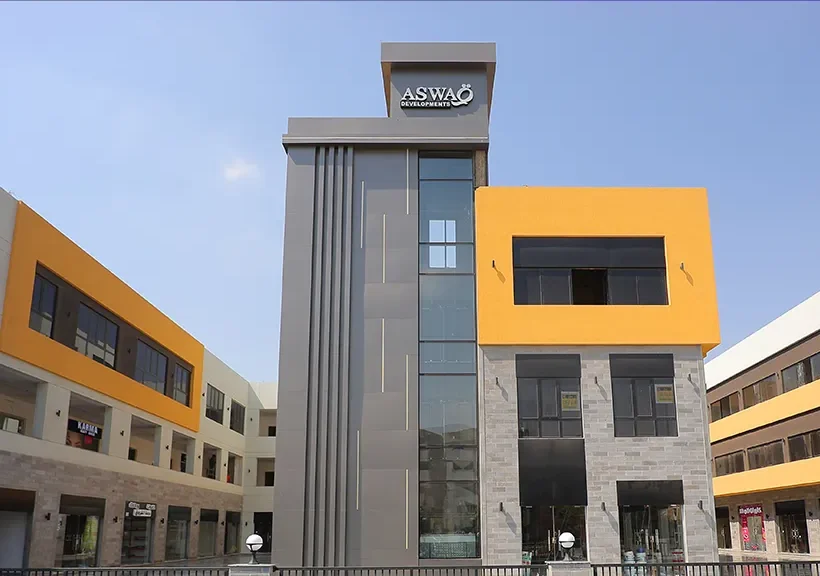
IPM's confirmed experience includes operating City Hub, Mercado and Arena in El Shorouk City on behalf of their developer, ASWAQ Developments. This experience covers live commercial destinations; ASWAQ remains the developer and owner, while IPM acts as operator.
For an owner evaluating management partners, the starting point is a scope discussion: the asset type, operating stage, existing contracts, tenant environment, owner priorities and the reporting needed. That discussion creates the basis for a management structure that can be assessed against defined responsibilities and standards.
What does commercial property management include?
The agreed scope can include daily operations, tenant relations, facility and maintenance coordination, vendor contracts, safety follow-up, budgets, expenditure tracking, owner reporting and visitor-facing standards.
Is commercial property management different from facility management?
Yes. Commercial property management provides the wider owner, tenant, commercial and accountability layer. Facility management focuses on the building, technical systems, maintenance and support services. Their work frequently overlaps.
Who manages tenants in a commercial property?
The property-management team normally leads routine tenant communication, requests, rules and coordination. Leasing or renewal responsibilities depend on the owner's agreed scope and may involve separate commercial specialists.
Does commercial property management include maintenance?
It commonly includes maintenance planning, coordination and performance oversight. Technical work may be delivered by an in-house facility team or specialist contractors under an integrated or separately contracted scope.
What reports should a commercial property owner receive?
Reporting should reflect the contract and may cover operations, tenant matters, maintenance, vendors, expenditure, collections or service charges where applicable, safety actions, open issues and decisions required from the owner.
When should a developer appoint a property management company?
Appointment can begin before opening to support operating plans, contracts, handover and readiness, or during live operation when the owner needs clearer accountability and reporting. The timing should match the asset's stage and existing obligations.